Solar system sizing calculator
Work out roughly how many kW of solar your household actually needs, based on your power usage.
What this means for you
See how much the recommended size shifts if you're in a lower-yield region than assumed.
Compare by region
The same household usage needs a different system size depending on how much sun your region gets.
| Region | Generation yield | Recommended size |
|---|---|---|
| Upper North Island | 1,400 kWh/kW | 0 kW |
| Rest of North Island | 1,300 kWh/kW | 0 kW |
| South Island | 1,150 kWh/kW | 0 kW |
Your selected region is highlighted. Lower-yield regions need a bigger system to generate the same amount of power — worth checking if you're near a regional boundary or have an unusually shaded or sunny site.
Assumptions & sources
NIWA solar irradiance data by region; standard 440W panel specifications.
1 July 2026
17 July 2026
Recommended size = (annual usage × target offset %) ÷ regional generation yield per installed kW.
Your annual usage, target bill offset, and regional generation yield.
Roof space, orientation and shading — an installer will fine-tune the exact size and layout with a site assessment.
Related reading
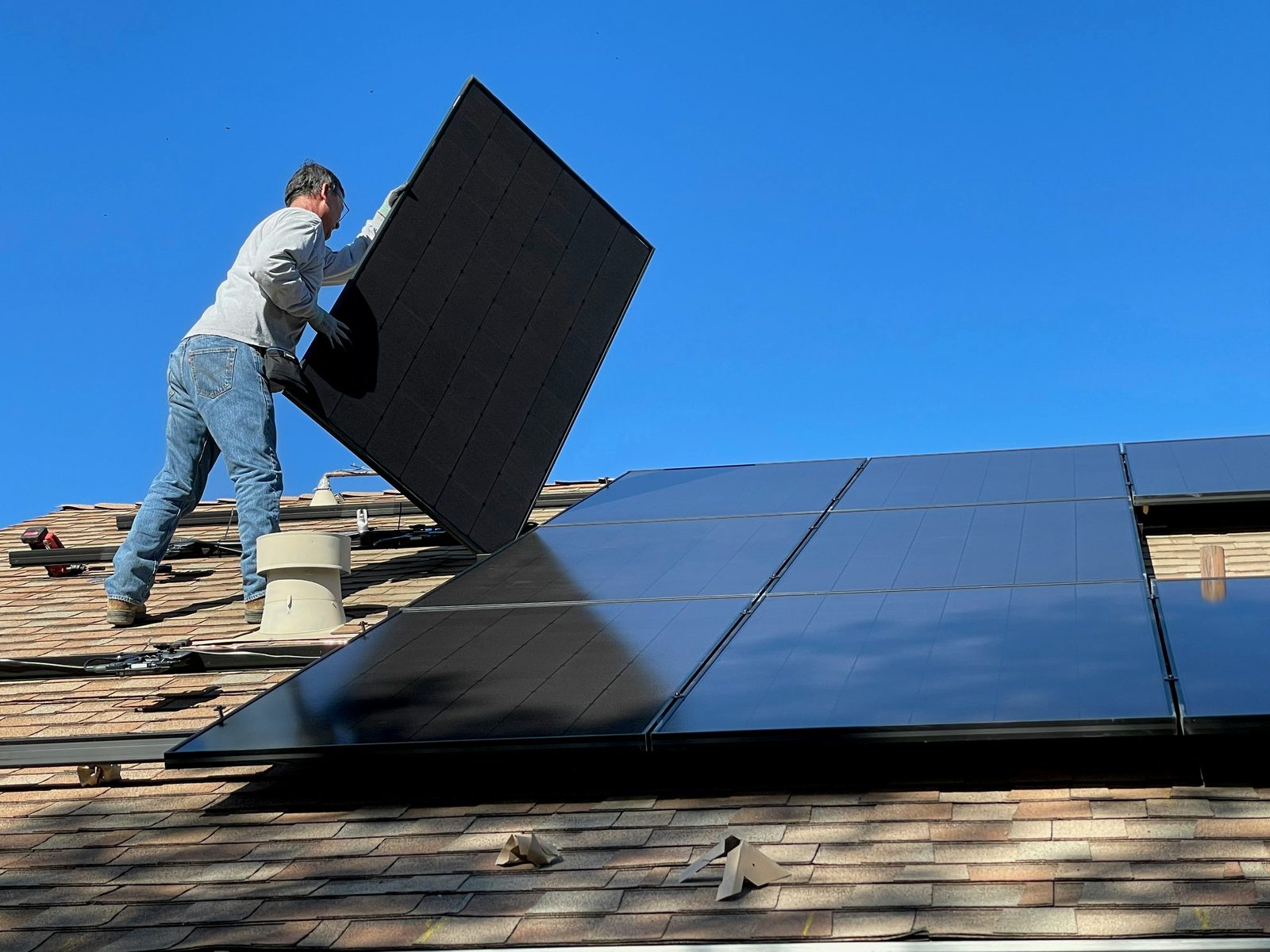
Is solar really worth it?
Solar panels cost thousands upfront — here's when the payback maths actually works in your favour, and when it doesn't.
Read article →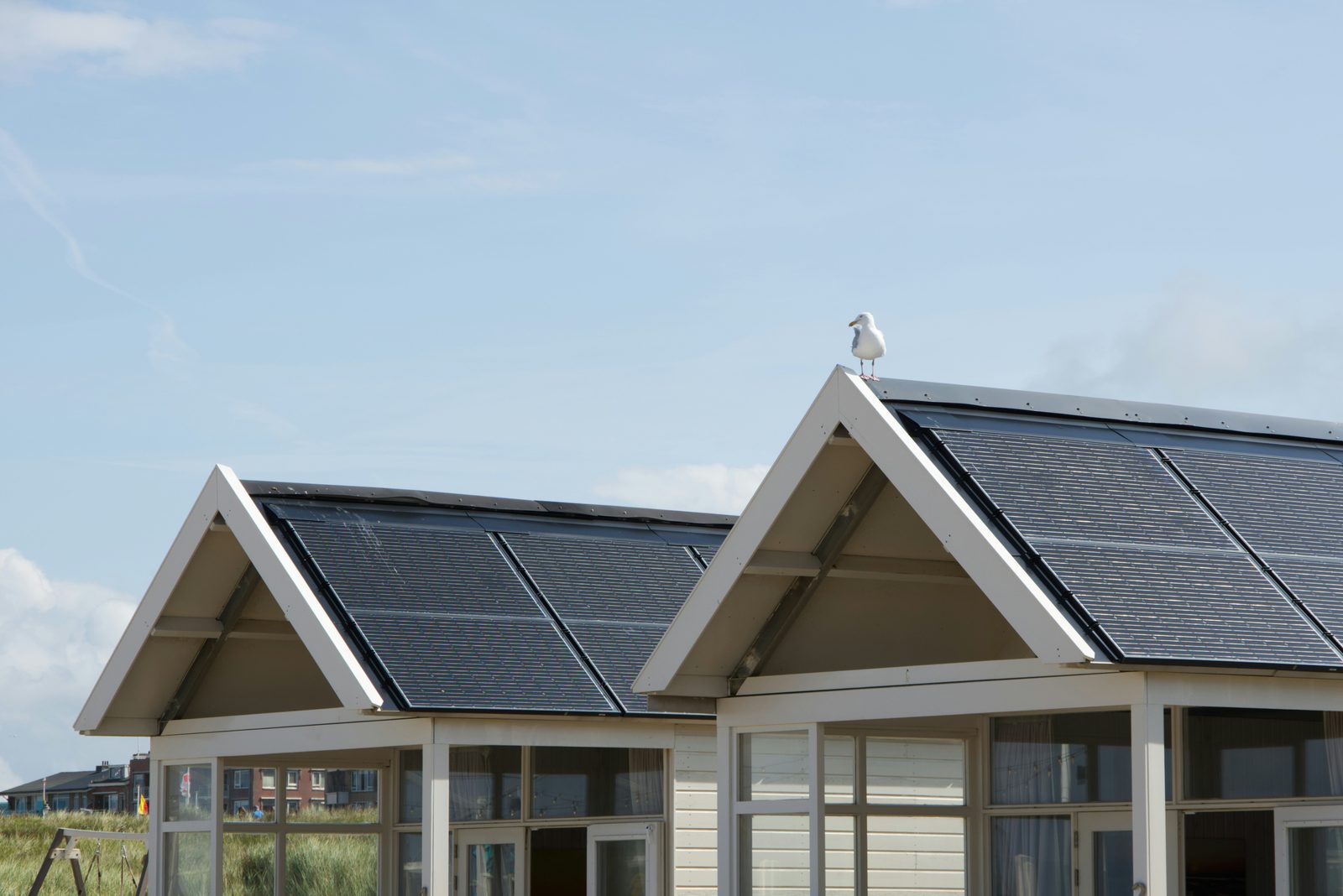
How does NZ stack up against Australia in residential solar?
Australia has one of the highest rooftop solar rates in the world. Here's why NZ lags behind — and whether that's changing.
Read article →Why bigger isn't always better
The goal isn't to generate as much power as physically possible — it's to size the system so most of what you generate gets used in your own home rather than exported at the much lower buy-back rate. A system sized for 80% of your annual usage is usually the sweet spot: big enough to make a real dent in your bill, without so much excess that a large share of your generation earns buy-back rates instead of offsetting retail prices.
If you're planning to add an EV or a heat pump in the next few years, it's worth sizing a little larger now — retrofitting more panels later means a second scaffold, labour and commissioning visit, which usually costs more than getting it right the first time.
Example: A Christchurch household using 9,000kWh a year
The Nguyen family uses approximately 9,000kWh a year and want to offset 75% of that with solar.
South Island's lower solar yield — approximately 1,150kWh per installed kW per year, versus up to 1,400kWh in the upper North Island — means they'd need approximately 5.9kW of panels to hit that target.
That works out to approximately 13 standard panels — noticeably more than a North Island household with the same usage and offset target would need, purely because of the region's lower generation yield.
This is exactly why region matters as much as usage when sizing a system — the same household in Auckland would need meaningfully fewer panels to hit the same 75% offset.
Frequently asked questions
A small household under 4,000 kWh/year typically suits 3kW, an average family using 6,000-8,000 kWh/year usually lands around 5-6.6kW, and larger households or those with an EV/heat pump often need 8-10kW.
Yes. Auckland and the upper North Island get around 1,300 kWh per installed kW per year. Wellington is a bit lower, and the South Island or shaded roofs can run 10-25% lower again.
